Hotel Bonaventure, Montreal, Quebec, CA
April 7 – 11, 2010
“Women and Politics in Swiss German Literature and Film”
Hybrid Identities in Narratives by Second Generation Female Swiss Authors
Margrit Zinggeler, Eastern Michigan University
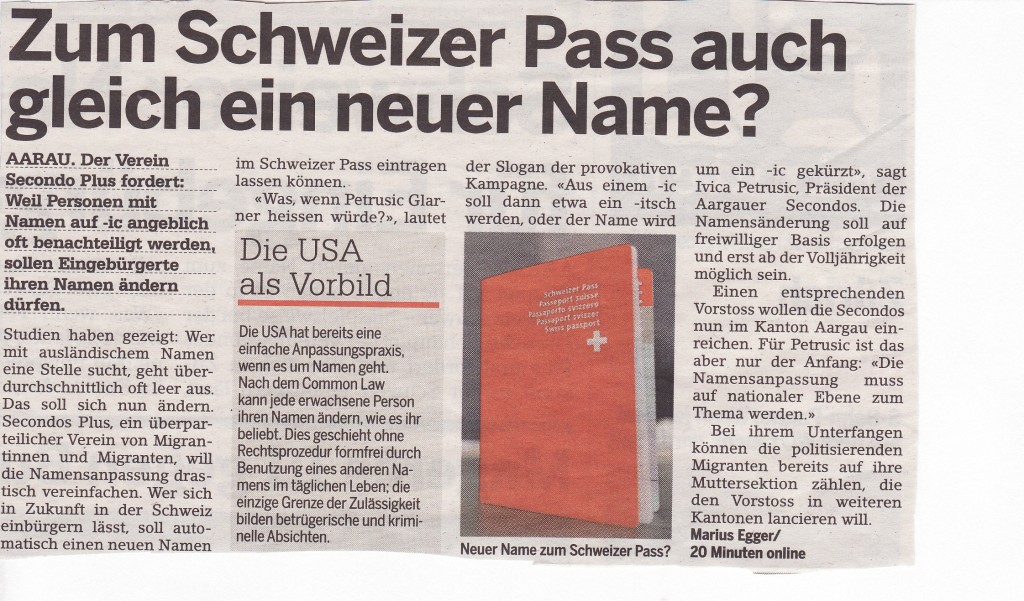
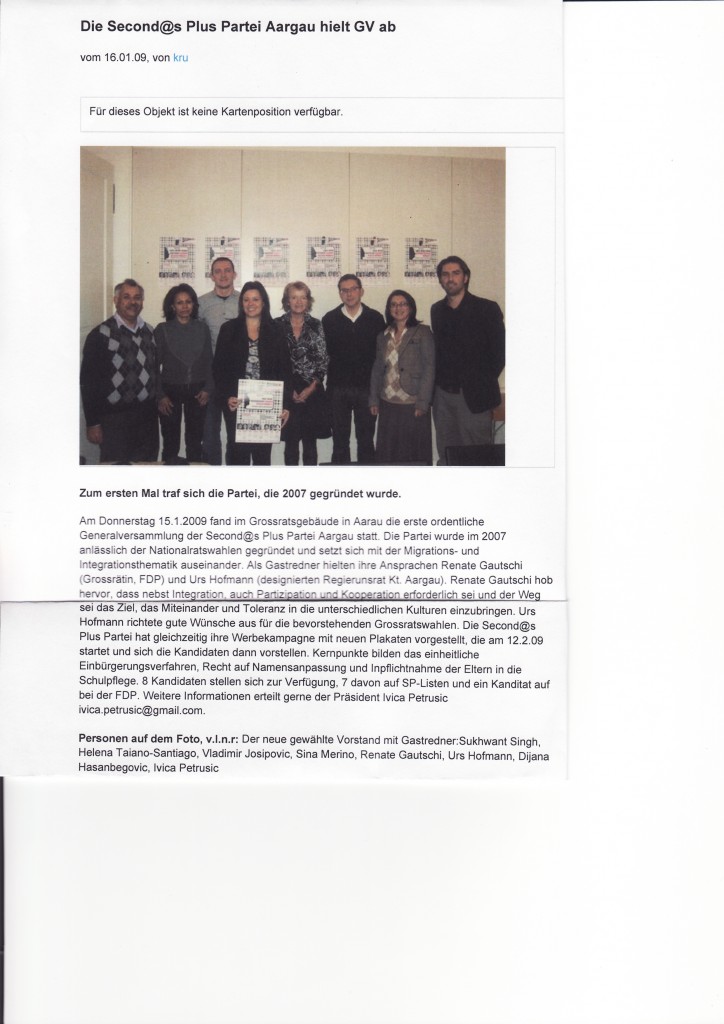
At the same time, when women officially entered the Swiss political scene, immigrants and guest worker changed the social fabric and the multicultural Swiss literature developed a new branch – often marginalized – migration literature. Today, wide spread immigration (21 % of inhabitants are foreigners) and intercultural and trans-cultural encounters have not only impacted Switzerland’s political and economic landscape, but also the arts and literature. In the 21st century, the Swiss public has begun to acknowledge the intercultural realities that immigrant and native artists alike as they depict these new and complex cultural negotiations about race and ethnicity in their works. This paper addresses the challenges of a new cultural hybridity as lived by women in Switzerland and mirrored in the narratives of immigrant and second generation women writers.
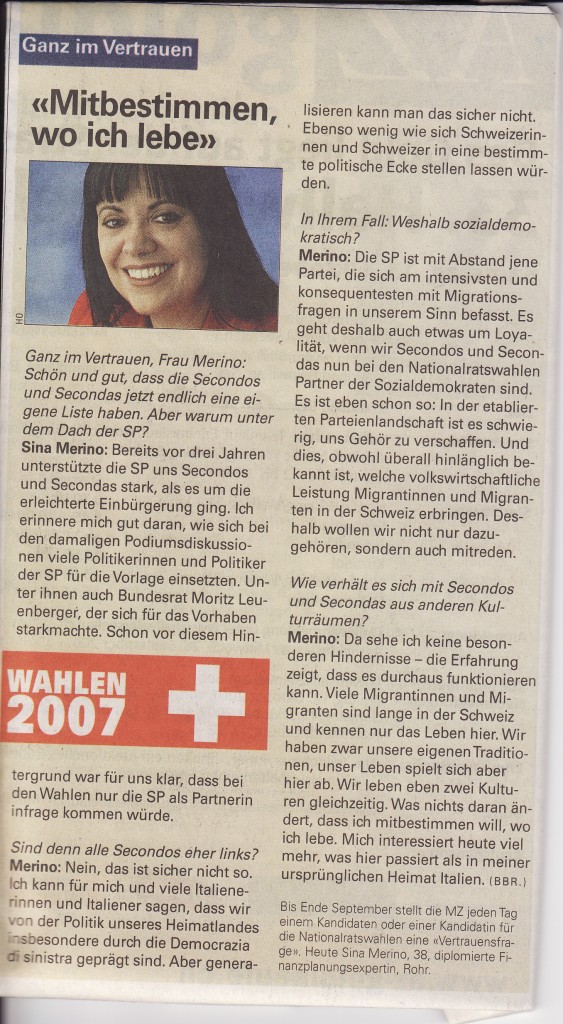
The definitions of hybridity as developed by Homi K. Bhabhas, The Location of Culture (1994) and Marwan M. Kraidy, Hybridity: Or the Cultural Logic of Globalization (2005) form the basis of the investigation of writings by so-called “secondos,” second generation immigrants who write in German and adhere to a hybrid Swiss identity. Although the term hybridity is often used negatively by scholars of Postcolonial Studies and imperial writing, I argue that the term “hybridization” might be used constructively to connote contact zones and trans-cultural exchanges in the context of Switzerland. This notion is borne out by the political discourse surrounding the election of Ricardo Mumengo (born in Angola) who is the first black representative in the Swiss National Council (House of Representatives).
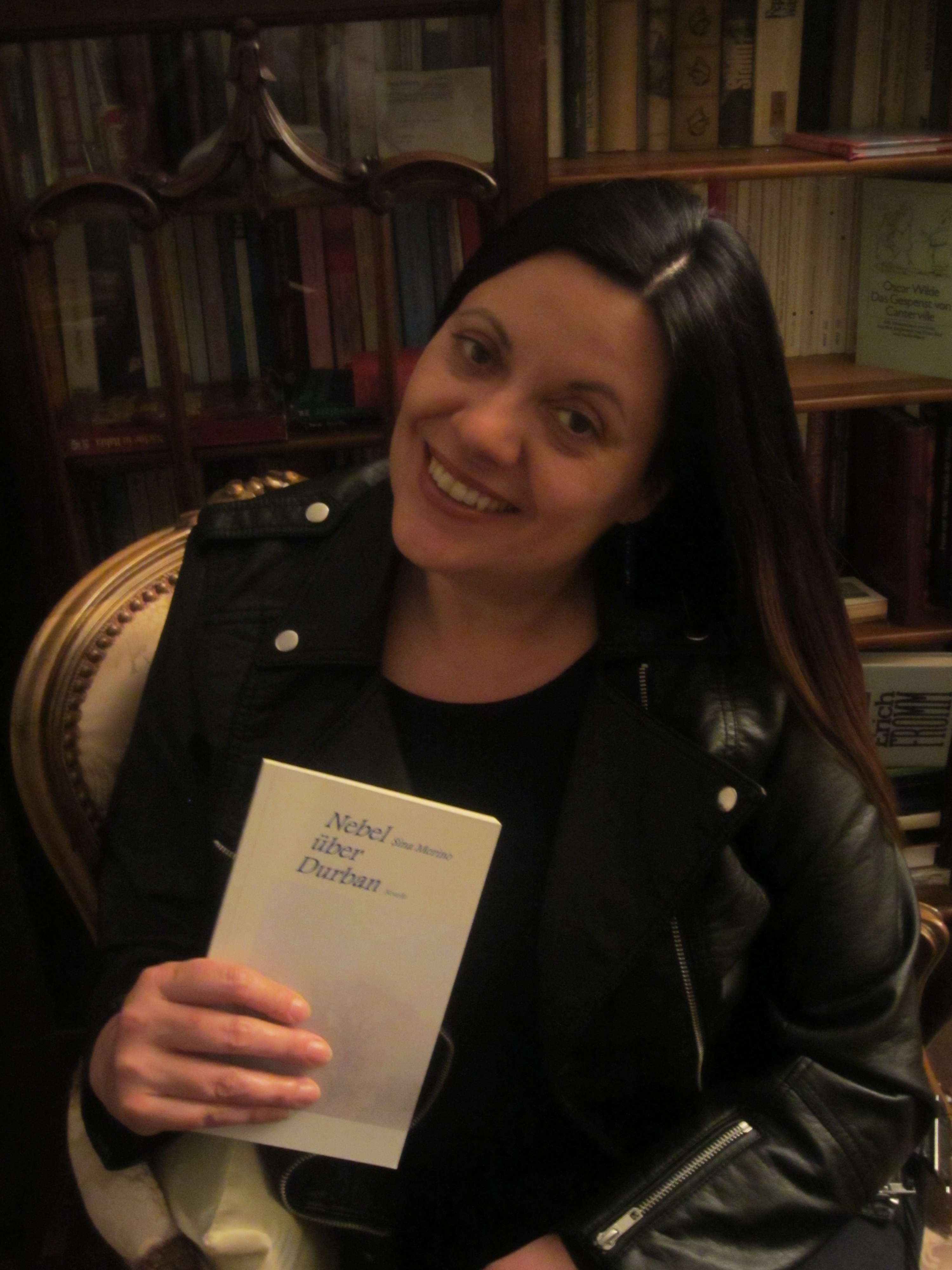
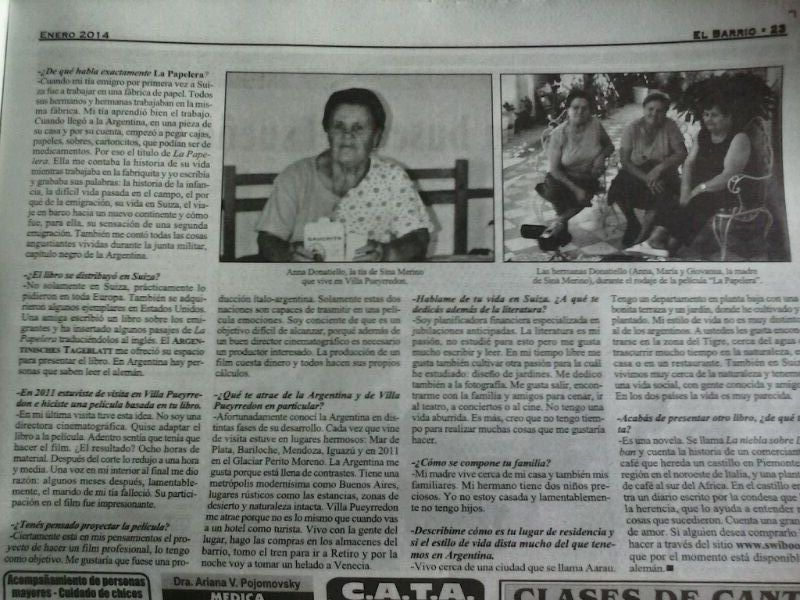
The focus of this investigation demonstrates a shift from multiculturalism (defined as different cultures and languages living together) to hybridity (defined as mixture of cultures and races) apparent in the writings female Swiss authors such as Aglaia Verteranyi, Sina Merino, Melinda Abonji, and Sabine Wen-Ching Wang whose narratives are intrinsically political as they oscillate between cultures and depict a proliferate search for identity within Switzerland.